 Global (English)
 Malaysia (English)
 Argentina (Español)
 México (Español)
 België (English)
 Nederland (Nederlands)
 Brasil (Português)
 Norge (Norsk)
 Chile (English)
 Österreich (Deutsch)
 Česká republika (Czech)
 Polska (Polski)
 Danmark (Dansk)
 Suomi (Suomi)
 Deutschland (Deutsch)
 Sverige (Svenska)
 España (Español)
 Türkiye (English)
 Ελλάδα (Ελληνικά)
 United Kingdom & Ireland (English)
 France (Français)
 United States & Canada (English)
 India (English)
 Україна (Українська)
 Italia (Italiano)
 Other Countries (English)













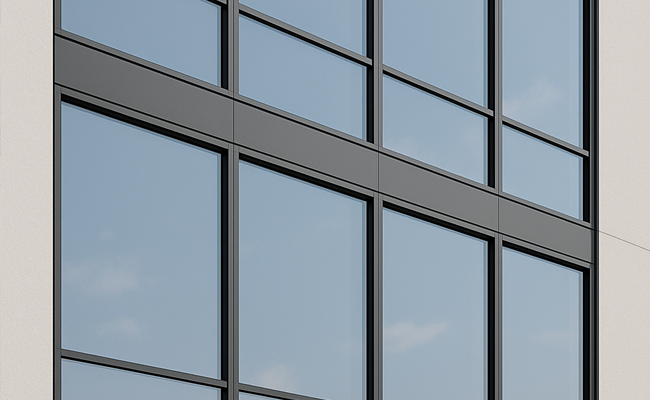
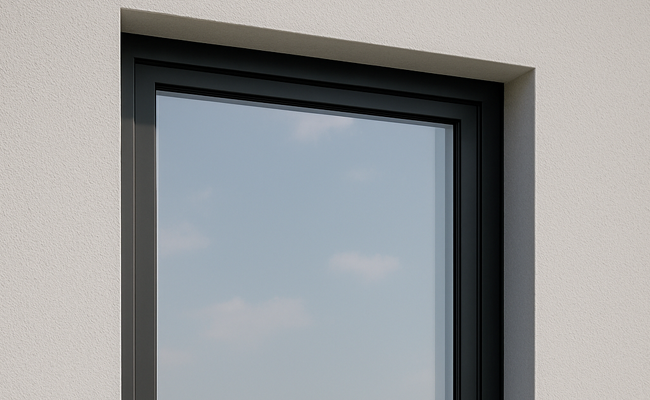

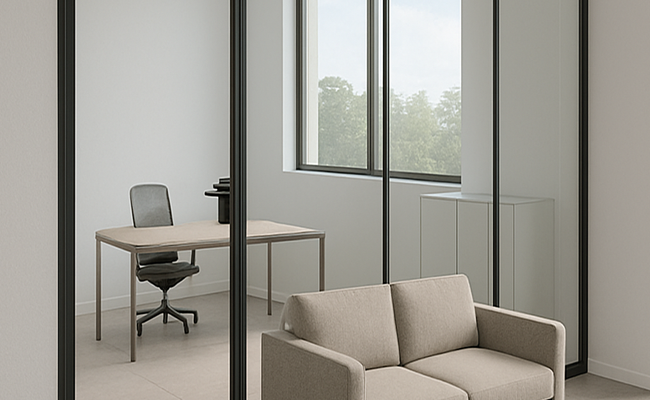
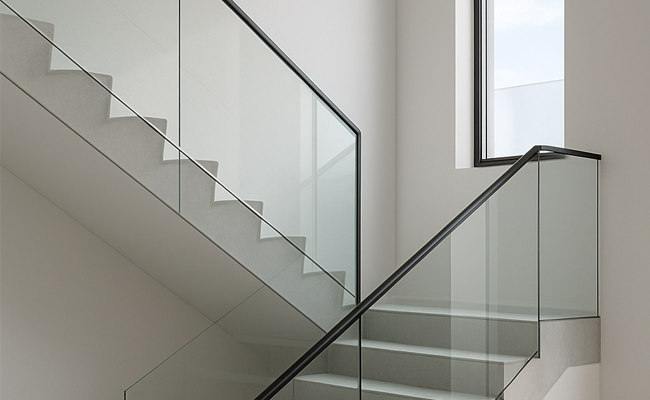


















Pilkington Nederland introduces HomeComfort™
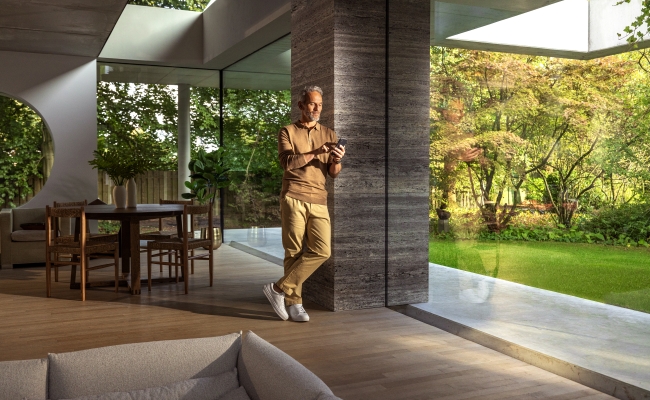
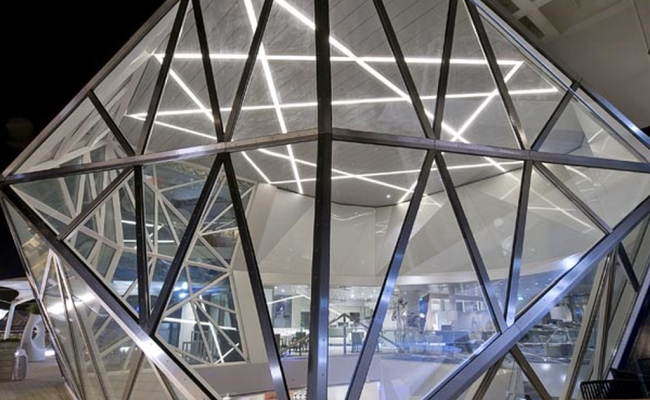
Pilkington Nederland, part of the NSG Group, proudly launches HomeComfort™ – a new brand concept that positions glass as an active element in comfort, energy, and experience. Under this name, innovative glass applications are bundled to promote smart, comfortable, and sustainable living – from thermal and solar control to acoustic comfort.
Smart living with glass
With HomeComfort™, Pilkington Nederland takes the next step in the evolution of functional glass. Where glass has traditionally served to protect against wind, rain, and cold, HomeComfort™ shows that it can actively contribute to the indoor climate.

“Glass is no longer a passive building material, but a vital component of smart living,” says Martijn Rietveld, Commercial Manager at Pilkington Nederland. “With HomeComfort™, we want to show how glass can actively contribute to comfort and energy efficiency in residential construction.”
The product line includes solutions with a shared goal: optimizing the indoor climate without compromising on aesthetics or sustainability. The first products – HeatComfort™ and LuxComfort™ – are already being successfully used in various residential projects.
HeatComfort™: warmth from glass
HeatComfort™ is a heating insulating glass that uses the electrically conductive NSG TEC™ coating. This technology tackles heat loss at its source, preventing cold drafts near windows. It emits a pleasant, even infrared heat that feels natural. It also eliminates the need for traditional radiators in areas like garden rooms or open-plan kitchens, increasing usable living space. The solution combines comfort and sustainability without compromising aesthetics or space.
LuxComfort™: solar shading integrated into glass
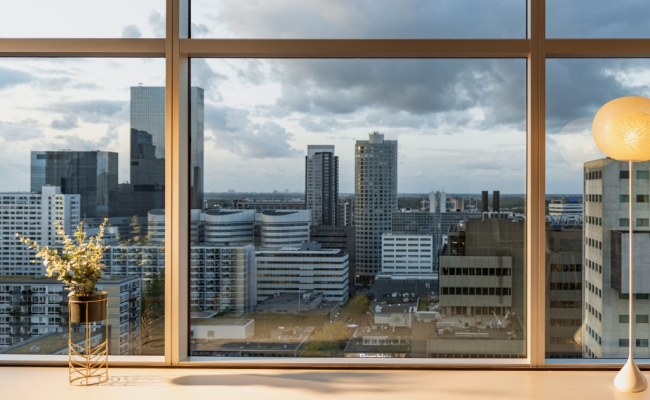
LuxComfort™ introduces integrated solar shading within insulating glass. Maintenance-free blinds are positioned between the panes and can be operated electrically or wirelessly. This keeps interiors cool in summer and bright in winter. By connecting to smart home systems, residents can automate solar shading, daylight levels, and privacy based on the time of day – creating a pleasant and energy-efficient indoor climate.
New innovations: DynamicComfort™ and SilenceComfort™
The HomeComfort™ development continues. In early 2026, Pilkington Nederland will launch DynamicComfort™: electrochromic glass that changes tint under electric voltage. Its subtle coloration allows for adaptive solar control while maintaining high daylight entry and a neutral light experience. Work is also underway on SilenceComfort™, a glass solution with active sound control that neutralizes sound waves – creating peace and quiet in urban environments.
Balancing comfort and sustainability
All HomeComfort™ solutions are available in double or triple glazing and comply with TO-juli regulations*, which help prevent overheating in well-insulated homes. These technologies align with the NSG Group’s makechange™ sustainability vision, where energy efficiency, comfort, and aesthetics go hand in hand. With this, Pilkington Nederland offers glass solutions that enhance both living comfort and contribute to tomorrow’s climate goals.
Experience it in Gildehaus
Those interested in experiencing HomeComfort™ are welcome at the new Experience Center in Gildehaus, Germany — part of Pilkington Nederland’s recently re-opened production site, where innovations are tested and implemented. All HomeComfort™ applications are showcased in realistic façade settings. “Architects and partners can literally feel the difference and experience reflections and color rendering,” Rietveld says. “We demonstrate the possibilities live, support during the design and installation phases, and are open to new ideas from the market.”
With HomeComfort™, Pilkington Nederland firmly positions itself as an innovative partner in smart living. It marks the beginning of a new era where glass not only lets in light, but actively contributes to comfort, energy, and experience.
For more information please visit: www.homecomfortglass.com
* In the Netherlands, TO-juli regulations are part of national building codes aimed at limiting summertime overheating in energy-efficient homes. This requirement may not apply in other international markets.

