 Global (English)
 Malaysia (English)
 Argentina (Español)
 México (Español)
 België (English)
 Nederland (Nederlands)
 Brasil (Português)
 Norge (Norsk)
 Chile (English)
 Österreich (Deutsch)
 Česká republika (Czech)
 Polska (Polski)
 Danmark (Dansk)
 Suomi (Suomi)
 Deutschland (Deutsch)
 Sverige (Svenska)
 España (Español)
 Türkiye (English)
 Ελλάδα (Ελληνικά)
 United Kingdom & Ireland (English)
 France (Français)
 United States & Canada (English)
 India (English)
 Україна (Українська)
 Italia (Italiano)
 Other Countries (English)





























Beating the Heat: How Solar Control Glass Helps Buildings Perform Better in Summer
As temperatures rise, the right glazing can make all the difference. Explore how solar control glass helps manage solar heat gain, improve comfort, reduce energy costs, and create better-performing spaces year-round.
A warm sunny day is great until the afternoon sun starts turning parts of a building into a greenhouse.
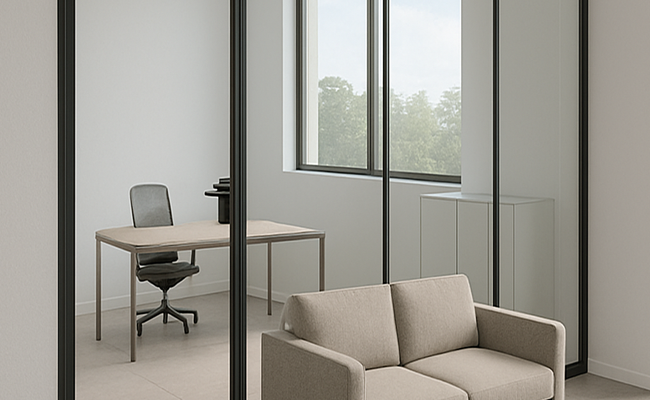
Anyone who’s worked in an office with floor-to-ceiling windows has likely experienced it. One side of the room is comfortable, while the other feels noticeably warmer. Blinds get closed, air-conditioning works overtime and the natural light that made the space appealing in the first place is suddenly blocked out. Meanwhile, building owners face rising cooling costs and growing pressure to improve energy performance.
That is the challenge solar control glass is designed to solve, making it one of the most valuable tools available to today’s building designers.
More Than Just Blocking the Sun
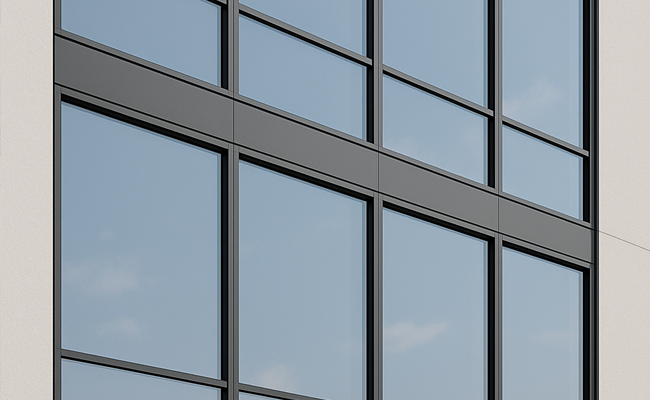
When sunlight passes through glass it brings more than daylight. It also carries heat. In warm climates, the heat can quickly build up inside a building, especially on large glass facades, increasing indoor temperatures and forcing HVAC systems to work harder.
Solar control glass helps manage the heat before it enters the building. Special tints and coatings reflect, absorb and filter a portion of the sun’s energy while still allowing natural daylight to pass through. The result is a space that stays brighter, cooler and more comfortable throughout the hottest months of the year.
Why It Matters
Reducing solar heat gain has benefits that go beyond lowering the thermostat.
In addition to tinted glass that improves solar performance, coated solar control products are designed to balance multiple performance goals, including:
- Reducing solar heat gain
- Lowering cooling loads
- Improving occupant comfort
- Minimizing interior glare
- Supporting energy-efficient building design
- Preserving desired aesthetics and daylight
Choosing the Right Glass
Not every project has the same performance goals.
A school may prioritize occupant comfort and energy savings. An office building might focus on balancing daylight with glare control. A healthcare facility may need to create comfortable spaces for patients while supporting energy-efficient operation.
That's why selecting the right glazing is about more than choosing a dark tint or the lowest solar heat gain coefficient. Selecting the appropriate solar control glass means balancing visible light transmission, solar heat gain, reflectivity, insulation, and overall building performance.
A Range of Pilkington Solutions
There isn't a one-size-fits-all approach to solar control glass. Every project has its own priorities, whether that's maximizing daylight, reducing cooling costs, improving occupant comfort, or achieving a specific aesthetic.
Uncoated tinted glass remains an excellent solution for significantly reduced solar heat gain and UV light transmittance as compared to uncoated clear glass products.
For projects needing to balance solar control with natural daylight, Pilkington Eclipse Advantage™ offers solar control performance with a reflective pyrolytic low-e coating that can reduce solar heat gain and UV transmittance while enhancing a building's exterior appeal.
For applications where high visible light transmission is desired alongside exceptional solar control and low-emissivity performance, Pilkington Solar-E™ provides a versatile solution. Applied to surface #2, the coating offers low SHGC (solar heat gain coefficient) and U-factor, low reflectivity and glare control, contributing to a more comfortable environment and improved energy efficiency.
With a range of solar control products available, architects and designers have the flexibility to select the glass that best supports today's performance expectations without compromising design intent.