 Global (English)
 Malaysia (English)
 Argentina (Español)
 México (Español)
 België (English)
 Nederland (Nederlands)
 Brasil (Português)
 Norge (Norsk)
 Chile (English)
 Österreich (Deutsch)
 Česká republika (Czech)
 Polska (Polski)
 Danmark (Dansk)
 Suomi (Suomi)
 Deutschland (Deutsch)
 Sverige (Svenska)
 España (Español)
 Türkiye (English)
 Ελλάδα (Ελληνικά)
 United Kingdom & Ireland (English)
 France (Français)
 United States & Canada (English)
 India (English)
 Україна (Українська)
 Italia (Italiano)
 Other Countries (English)





























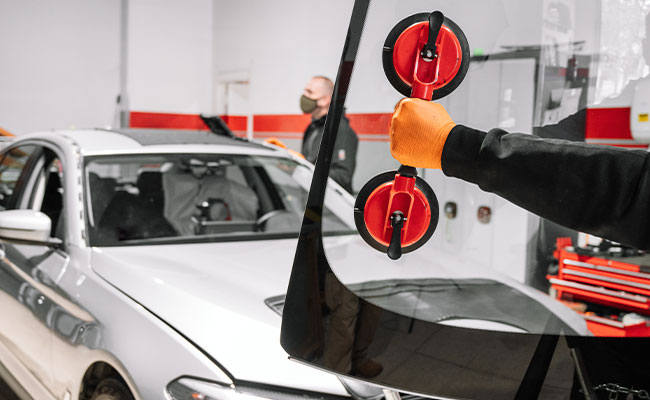




Performed while is stationary in a controlled environment using specialized equipment to align sensors and cameras.
Calibration
What Is ADAS Calibration?
Advanced Driver Assistance Systems (ADAS) are the technology behind modern vehicle safety and convenience. These systems use cameras and other sensors to support drivers with features like automatic emergency braking and pedestrian detection. ADAS calibration ensures all cameras and sensors are accurately aligned with the vehicle's specifications, so every system functions properly.
Calibration is necessary whenever safety system components are adjusted, replaced, or disturbed. This can include windscreen replacement, collision repair, suspension adjustments, or sensor replacement. Performing calibration correctly ensures the vehicle's safety features operate as intended and protects drivers on the road.
Static Calibration
Dynamic Calibration
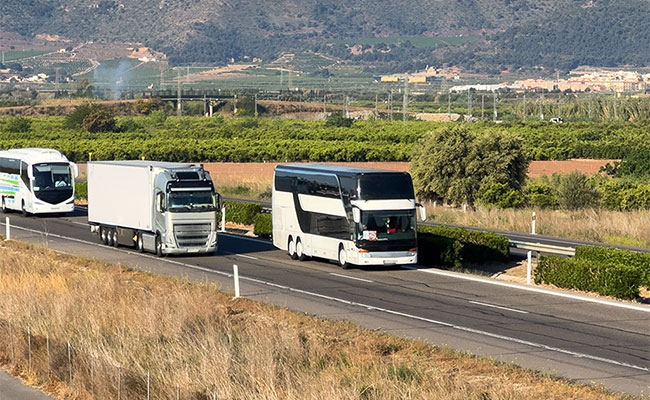
Performed while driving the vehicle under specific conditions, allowing the system to adjust using real-world inputs.
Dual Calibration
A combination of static and dynamic calibration, required for some vehicles to ensure all systems are properly aligned.
Why ADAS Calibration Matters
ADAS are now standard in most new vehicles, delivering safety features such as lane keep assist, adaptive cruise control, and automatic emergency braking. For these systems to work as intended, their cameras and other sensors must be exactly aligned to the manufacturer's specifications.
Calibration ensures every safety system is working at full accuracy after repairs, windshield replacements, or adjustments to suspension and wheel alignment. By keeping ADAS properly tuned, you help protect drivers, passengers, and everyone else on the road.

ReCO™: Remote Calibration Overair
ReCO™ us our remote service designed to support you with remote vehicle diagnostics and ADAS calibration. With ReCO™, we carry out incoming diagnostics, troubleshooting, and calibration simply and efficiently, all performed remotely.
From security gateway activation to original equipment (OE) software solutions, we always provide the right diagnostic software for our customers.
ADAS Calibration FAQs
Calibration is necessary whenever components are adjusted, replaced, or disturbed like during a windscreen replacement, collision repair, suspension adjustments, or sensor replacement. Performing calibration ensures safety systems operate as intended.
The type of calibration required depends on the vehicle and its specific safety features. Some vehicles can be calibrated using static methods in a controlled environment, while others require dynamic calibration on the road to verify real-world sensor performance. Some models may need dual calibration, combining both static and dynamic approaches to ensure complete accuracy.
Yes. With certified equipment and training, many shops choose to handle calibration themselves.
Duration varies by vehicle and calibration type. Static calibration may take under an hour, while dynamic or dual calibration can take longer depending on road testing and system verification.
Specialized diagnostic tools and manufacturer-specific software are needed. We provide certified equipment and guidance to ensure accurate and reliable results for all supported vehicles depending on region.


